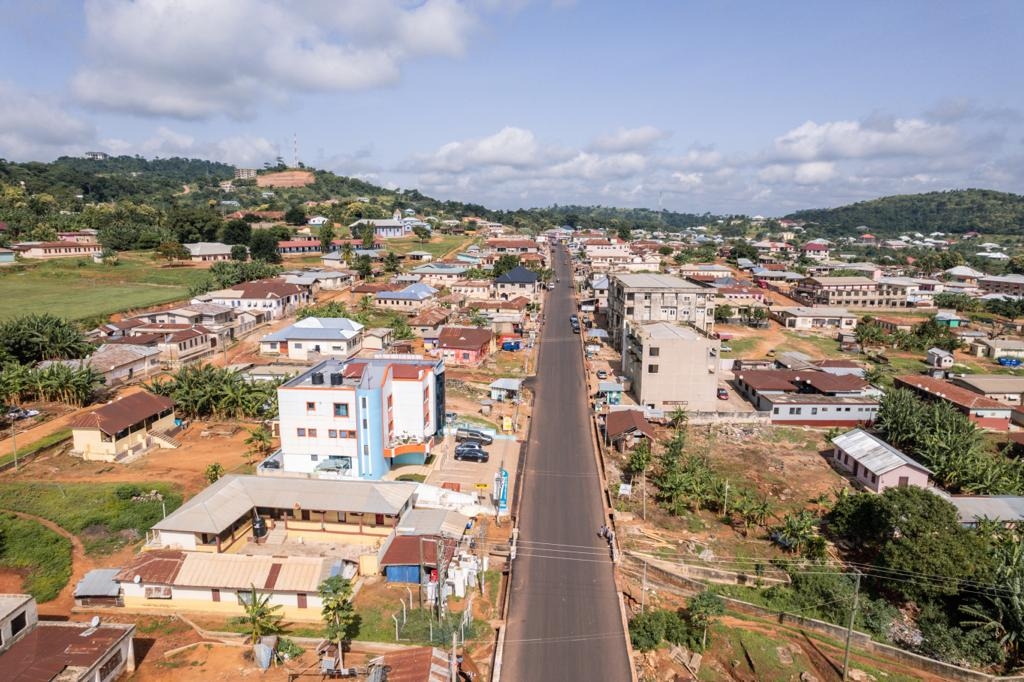
Kumawu, a historic town located in the Ashanti Region of Ghana, holds an important place in the history, culture and traditional affairs of the Asante Kingdom. The town is the capital of the Sekyere Kumawu District and is widely associated with bravery, sacrifice, traditional leadership and the preservation of Asante cultural heritage.
Kumawu’s historical roots are closely connected to the development and expansion of the Asante Kingdom. Its traditional history stretches back several centuries and is associated with the Oyoko clan and the migrations and settlements that contributed to the formation of the Asante political system.
The Origin and Early Development of Kumawu
Kumawu became one of the important traditional divisions within the Asante political system. Its traditional authority, warriors and people played significant roles in the political and military development of the Asante Kingdom.
One of the most important chapters in Kumawu’s history is connected to the war between the Asantes and the Denkyiras. During the reign of Otumfuo Osei Tutu I, the Asante states joined forces in their struggle against Denkyira. The eventual defeat of Denkyira in the early eighteenth century became a major turning point in the emergence of the Asante Kingdom as a powerful political force.
Nana Tweneboa Kodua, one of Kumawu’s most celebrated traditional figures, is remembered for his bravery and sacrifice during this period. According to Kumawu’s traditional history, Nana Tweneboa Kodua offered himself as a sacrifice in connection with the Asante struggle against Denkyira. His story has since become an important part of Kumawu and Asante historical memory.

His bravery is commemorated through the Papa Nantwie Festival, which celebrates ancestral courage, sacrifice, unity and cultural identity. The festival continues to provide an opportunity for the people of Kumawu to remember the sacrifices associated with their history and to pass the story to younger generations.
Cultural Heritage and Significance
Kumawu’s cultural heritage is one of its greatest assets. The town’s history is reflected in its traditional institutions, festivals, customs, chieftaincy and oral traditions.
The Papa Nantwie Festival is particularly significant because it connects present-day Kumawu with the historical story of Nana Tweneboa Kodua I. The festival is not simply an entertainment event; it serves as a cultural platform through which the people commemorate the courage and self-sacrificial spirit associated with their ancestor.
Kumawu also possesses natural attractions that add to its tourism potential. Among these are the Bomfobiri Wildlife Sanctuary and Bomfobiri Falls, as well as other waterfalls and natural landscapes within and around the traditional area. These sites, together with the town’s historical and cultural heritage, provide opportunities for tourism development and educational visits.
Population and Economic Life
The Sekyere Kumawu District had a population of 64,396, according to the Population and Housing Census figures published by the District Assembly. The population comprised 30,890 males and 33,506 females. The District Assembly also reports that agriculture, forestry and related activities constitute a major source of employment, with 62.4 per cent of the employed population engaged in agriculture.
This makes farming an important part of the economic life of Kumawu and its surrounding communities. Farmers contribute significantly to food production and the local economy, while traders, artisans, public-sector workers, business owners and other professionals also contribute to the development of the area.
Towns in KUmawu
Sekyere Kumawu District has so many towns including Bodomase, Wonoo, Woarso, Pepease, Bahankra, Besoro, Dadease, Oyoko, Sekyere, Wioso, Akrofoso, etc
The Boundaries of Kumawu
Kumawu is strategically located within the eastern part of the Ashanti Region. The Sekyere Kumawu District shares boundaries with Sekyere East District, Sekyere Central District, Sekyere Afram Plains District and Asante Akim North Municipal. The official district profile identifies Sekyere Central to the west, Sekyere East to the north, Asante Akim North to the south-west and Sekyere Afram Plains to the south.
Its location places Kumawu within an important network of communities linking different parts of the Ashanti Region and the neighbouring areas.

Chieftaincy and Traditional Leadership
Chieftaincy remains an important institution in Kumawu. The Kumawu Traditional Council provides traditional leadership and plays a role in preserving the customs, history and identity of the people.
In recent years, Kumawu has experienced periods of disagreement concerning succession to the Kumawu stool. Such developments attracted attention because of the importance of the Kumawu traditional area within Asante chieftaincy. The current Paramount Chief is Barima Sarfo Tweneboa Kodua, who has continued to lead the traditional area and participate in efforts to preserve Kumawu’s cultural heritage.
The Return of the Papa Nantwie Festival
The celebration of the Papa Nantwie Festival has also strengthened Kumawu’s cultural activities. After a long period without the festival, its return provided an opportunity for residents, traditional leaders, visitors and people of Kumawu origin living elsewhere to reconnect with their heritage.
The festival brought together traditional ceremonies, cultural performances, public gatherings and other activities. It provides an avenue for younger generations to learn about the history and values associated with Nana Tweneboa Kodua and the Kumawu traditional area.
Kumawu Today
Today, Kumawu stands at the intersection of history, culture, agriculture, traditional leadership and tourism. Its historical connection with the formation of the Asante Kingdom gives it a distinctive place in Ghana’s traditional history.
For the people of Kumawu, the story of their town is more than a story of the past. It is a heritage that continues to shape their identity. The courage associated with Nana Tweneboa Kodua, the traditions preserved by the Kumawu Traditional Council, the celebration of the Papa Nantwie Festival and the natural attractions surrounding the area all contribute to the unique character of Kumawu.
As Kumawu continues to develop, preserving its history and cultural heritage will remain important. The town’s story of bravery, sacrifice, tradition and resilience can serve as a source of education and inspiration for present and future generations.